What Does a General Masonry Contractor Do? A Complete Guide for Property Owners

Brick walls, stone walkways, concrete block structures, and decorative masonry features have shaped homes and commercial buildings for generations. These durable materials not only provide structural support but also add timeless character and lasting value to a property. While masonry may appear straightforward once construction is complete, every successful project requires careful planning, technical knowledge, and skilled craftsmanship. From selecting the right materials to ensuring every brick, block, or stone is properly installed, masonry work demands precision at every stage. Understanding what Nashville General Masonry Contractors do helps property owners make informed decisions when planning new construction, repairs, or exterior improvements.

What Is a General Masonry Contractor?
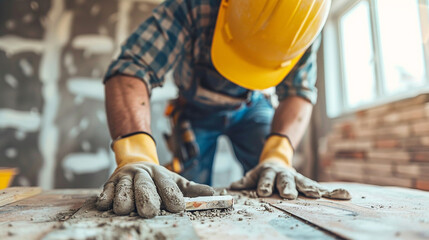
General Masonry Contractor

A general masonry contractor is a construction professional who specializes in building, repairing, restoring, and maintaining structures made from materials such as brick, stone, concrete block, and other masonry products. These contractors work on a wide variety of residential, commercial, and industrial projects, creating durable structures that combine strength with visual appeal. Their work may include everything from foundations and retaining walls to fireplaces, chimneys, patios, walkways, columns, and exterior veneers. Every project requires careful attention to detail to ensure both structural performance and attractive finished results.

Masonry contractors understand how different materials behave under changing weather conditions, varying structural loads, and long-term exposure to the elements. They also recognize the importance of proper mortar selection, joint placement, material compatibility, and installation techniques. This specialized knowledge allows them to create structures designed to perform reliably for many years. Their expertise extends beyond appearance because quality masonry also contributes to the overall stability and longevity of a building. Every stage of construction depends on careful planning and skilled workmanship.

What Types of Projects Do General Masonry Contractors Handle?

General masonry contractors complete a wide range of projects that improve both the functionality and appearance of residential and commercial properties. Many homeowners hire masonry professionals to construct retaining walls, patios, outdoor fireplaces, walkways, entry columns, garden walls, and decorative stone features. These projects enhance outdoor living spaces while introducing durable materials that withstand everyday use and changing weather conditions. Masonry elements often become permanent architectural features that contribute to the property’s long-term appeal. Their versatility makes them suitable for many different applications.

Commercial masonry projects frequently involve larger and more complex structures. Office buildings, retail centers, schools, warehouses, and public facilities often incorporate brick, concrete block, or stone into their exterior walls and structural systems. Masonry contractors may also restore aging buildings, repair damaged walls, or construct new architectural features during renovation projects. Every commercial project requires careful coordination to meet structural requirements while achieving the desired appearance. Skilled craftsmanship supports both safety and long-term building performance.

Why Is Professional Masonry Work Important?

Masonry structures must withstand significant loads while resisting weather, moisture, and natural aging over many years. Even small installation errors can affect both the appearance and structural integrity of the finished work. Proper alignment, consistent mortar joints, accurate leveling, and appropriate material selection all contribute to the strength and durability of the completed structure. Professional masonry contractors understand these technical requirements and apply them throughout every stage of construction. Careful workmanship helps ensure the finished project performs as intended.

Professional masonry also improves the visual quality of a property. Uniform brick patterns, clean stone placement, and consistent joint finishes create an attractive appearance that enhances surrounding architectural features. Whether constructing a decorative patio or a structural retaining wall, attention to detail helps produce results that remain visually appealing for decades. Quality craftsmanship contributes to both immediate satisfaction and long-term property value. A well-built masonry project reflects careful planning as much as skilled execution.

What Materials Do Masonry Contractors Commonly Use?

Brick remains one of the most recognizable masonry materials because of its durability, versatility, and timeless appearance. It is commonly used for exterior walls, chimneys, fireplaces, walkways, and decorative accents throughout residential and commercial construction. Brick offers a wide range of colors, textures, and patterns, allowing property owners to create designs that complement many architectural styles. Properly installed brick structures often remain attractive and functional for generations. Its long history of reliable performance continues to make it a popular building material.

Natural stone provides another highly valued option for masonry construction. Stone introduces unique textures, colors, and patterns that create distinctive architectural features both indoors and outdoors. Concrete block is also widely used because of its structural strength and efficiency in larger construction projects. Each material offers specific advantages depending on the project’s design goals and performance requirements. Selecting the appropriate masonry material contributes significantly to both durability and overall appearance.

How Do Masonry Contractors Ensure Long-Term Durability?

Every durable masonry project begins with careful preparation. Before construction starts, the site must be evaluated to ensure a stable foundation capable of supporting the finished structure. Proper grading, drainage, and footing design help reduce the likelihood of future settlement or movement that could affect the masonry over time. Attention to these early stages creates the stable base necessary for lasting performance. Strong foundations support every successful masonry installation.

Proper installation techniques also play a major role in long-term durability. Mortar must be mixed appropriately, materials positioned accurately, and joints finished consistently to create a structure capable of handling both structural loads and environmental conditions. Expansion joints, drainage considerations, and moisture management all contribute to the longevity of masonry construction. Careful workmanship during installation often prevents maintenance issues from developing later. Every detail influences the finished structure’s long-term reliability.

How Can Masonry Improve Property Value?

Masonry improvements often become permanent architectural features that enhance both curb appeal and overall property value. Attractive brick entrances, decorative stone walls, outdoor fireplaces, retaining walls, and custom patios create visual interest while improving the functionality of outdoor spaces. These durable improvements contribute to a more refined appearance that leaves a positive impression on visitors and prospective buyers. Quality masonry often communicates a sense of permanence and craftsmanship that enhances the overall perception of the property.

Property owners also appreciate the long service life of masonry materials. Unlike some exterior materials that require frequent replacement or refinishing, properly installed masonry continues performing with relatively modest maintenance over many years. This durability supports long-term value while reducing the need for repeated repairs. Investing in quality masonry combines practical performance with lasting visual appeal. Well-designed masonry projects continue benefiting property owners long after construction has been completed.

What Should Property Owners Consider Before Hiring a Masonry Contractor?

Before beginning a masonry project, property owners should clearly define both their functional needs and design preferences. Understanding how the finished structure will be used helps guide decisions regarding material selection, layout, and architectural style. Existing landscaping, surrounding buildings, drainage conditions, and future maintenance should also be considered during the planning process. Careful preparation helps ensure the completed project complements the overall property. Thoughtful planning contributes to more successful long-term results.

Property owners should also recognize the importance of experience and craftsmanship when selecting a masonry contractor. Masonry requires precision, patience, and technical knowledge that develop through years of practical experience. Every project benefits from careful planning, quality workmanship, and attention to structural performance alongside appearance. Choosing a contractor who understands both the artistic and technical aspects of masonry supports a more durable and visually attractive finished product. Quality construction begins with experienced professionals.

Final Thoughts

General masonry contractors play an essential role in creating durable, attractive structures that enhance both residential and commercial properties. From brick walls and stone patios to retaining walls, fireplaces, foundations, and decorative architectural features, masonry combines strength, functionality, and timeless beauty in ways few other building materials can achieve. Careful planning, proper material selection, skilled craftsmanship, and attention to detail all contribute to successful masonry construction that performs reliably for decades. Whether building new structures, restoring existing masonry, or improving outdoor living spaces, working with an experienced masonry contractor helps ensure lasting quality and long-term value. A well-executed masonry project remains one of the most enduring investments a property owner can make.

Beyond the Wreckage: The New Era of Rubbish Removal and Demolition

Every construction project begins and ends with clearing away the old. Whether it’s dismantling a structure or hauling off debris, rubbish removal and demolition are the unseen forces that make development possible. But beneath their seemingly straightforward roles lies a world that is rapidly evolving. Innovation, sustainability, and precision are reshaping these industries into something far more sophisticated than most people realize.

Rubbish Removal

The idea of demolition once conjured images of brute force and heavy machinery tearing everything apart. Today, that image is outdated. Modern demolition is calculated, strategic, and often surgical. Rather than smashing through walls indiscriminately, teams now plan every move with purpose and precision.

This evolution is driven by necessity. Older methods produced massive amounts of waste, much of which ended up in landfills. As sustainability becomes a priority, the focus has shifted toward reclaiming, reusing, and repurposing materials. What was once treated as rubble is now seen as a valuable resource.

Selective demolition is one example of this change. Instead of bringing down entire structures, only targeted sections are removed. Materials like metal, concrete, and timber are separated and salvaged for future use. This reduces waste, cuts costs, and minimizes environmental impact.

Rubbish removal has undergone a similar transformation. Gone are the days when disposal meant simply loading everything into trucks and dumping it. Today’s removal strategies are highly organized systems designed to maximize efficiency and minimize harm. Recycling, sorting, and responsible disposal are now central to the process.

Advanced technology plays a huge role in these changes. Drones and 3D scanning tools are used to assess structures before demolition begins. Digital planning software allows teams to simulate every step of the process, predicting risks and optimizing methods. Precision machinery controlled remotely ensures safety while improving accuracy.

Environmental responsibility is now a core mission in both demolition and waste removal. Strict regulations demand compliance, but the industry is going beyond that. Many projects aim for near-zero waste, ensuring that most materials are recycled or repurposed. This mindset turns demolition from a destructive process into part of a sustainable cycle.

Safety remains a top priority, but its definition has broadened. It’s not just about protecting workers from falling debris anymore. It’s about safeguarding air quality, minimizing noise pollution, and reducing the environmental footprint. Even the removal of hazardous materials is now handled with far more care and precision.

A major development in demolition practices is the rise of deconstruction. Instead of destroying a building, it is carefully dismantled piece by piece. This slower method allows for greater recovery of materials and reduces environmental damage. Though more time-consuming, it offers long-term benefits that outweigh the initial investment.

In rubbish removal, efficiency is becoming more intelligent. Smart bins equipped with sensors can now sort and monitor waste levels in real-time. Automated systems track the flow of materials, providing valuable data that improves future projects. This shift toward data-driven processes is redefining how waste is handled from start to finish.

Another growing trend is collaboration. Demolition experts, waste managers, architects, and environmental specialists now work together from the earliest planning stages. This integrated approach ensures that sustainability, safety, and efficiency goals are baked into a project’s design. It reduces unforeseen challenges and improves outcomes across the board.

Urbanization is also influencing how demolition and rubbish removal evolve. With limited space and stricter regulations, precision is more important than ever. Projects often take place near active neighborhoods or critical infrastructure. Controlled techniques that minimize disruption are essential, as is rapid waste removal to keep projects on schedule.

Emergency demolition and disaster response have also become specialized fields. When structures fail or natural disasters strike, rapid intervention is needed. Modern demolition crews can mobilize within hours, using specialized equipment to stabilize, clear, and make way for recovery efforts. Rubbish removal teams play an equally vital role in restoring safety and order.

The role of recycling in demolition is expanding too. Concrete can be crushed and reused as aggregate. Metals are melted down and repurposed. Even wood and glass can find new life in future construction. This approach not only conserves resources but also significantly reduces costs.

Public expectations have shifted as well. Clients and communities now demand transparency in how waste is handled. They want assurance that materials are being disposed of responsibly and sustainably. Many demolition and rubbish removal companies now provide detailed reports outlining where every piece of debris ends up.

Another significant shift is the emphasis on adaptability. Demolition plans are no longer one-size-fits-all. Each project is unique, with strategies tailored to the building’s materials, location, and intended future use. Flexibility ensures that projects can adjust to unforeseen challenges without compromising efficiency or safety.

Technology continues to push the boundaries of what’s possible. Robotic systems are increasingly used to perform high-risk demolition tasks. These machines can operate in hazardous environments without putting human workers in danger. Automation also speeds up processes and improves accuracy, reducing costs in the long term.

In rubbish removal, innovation is moving toward sustainability at every level. Electric-powered transport vehicles are replacing older, fuel-hungry fleets. Renewable energy is being used to power machinery. Even packaging and disposal containers are being redesigned to reduce their environmental impact.

The push toward a circular economy is perhaps the most transformative force of all. In this model, waste isn’t the end of a process—it’s the beginning of a new one. Materials are continuously recycled and reused, reducing the need for new raw resources. Demolition and rubbish removal are essential links in this sustainable chain.

Some forward-thinking projects now design buildings with future demolition in mind. Components are constructed for easy disassembly, allowing them to be reused when the building’s life ends. This design-for-deconstruction approach marks a fundamental shift in how the built environment is conceived.

Education and training are evolving alongside technology. Workers now need skills beyond operating heavy machinery. They must understand environmental regulations, material science, and digital tools. This new expertise reflects the complexity of modern demolition and waste management.

The industries are also becoming more community-focused. Projects often include public consultation and engagement plans to ensure that local residents are informed and involved. Transparent communication builds trust and minimizes disruptions. It also helps align projects with broader social and environmental goals.

Looking to the future, the integration of artificial intelligence and predictive analytics will likely revolutionize the field. AI can forecast material yields, predict structural weaknesses, and optimize scheduling. These capabilities will make demolition and waste removal even more efficient, safe, and sustainable.

The future may also see more modular and prefabricated buildings designed for easy recycling. This will fundamentally change how demolition is approached, turning it into a routine part of a building’s life cycle rather than an end-of-life event. Waste removal will become an ongoing process rather than a one-time task.

Despite the innovations, challenges remain. Rising costs, complex regulations, and the need for skilled labor are ongoing issues. Yet these challenges also drive progress, pushing the industry toward smarter, greener, and more effective solutions. Companies that embrace innovation will continue to thrive, while those that resist will struggle to keep up.

At its core, rubbish removal and demolition are about more than clearing space. They are about transformation—turning the old into opportunities for the new. They bridge the gap between past and future, destruction and creation. And as they evolve, they are becoming key players in shaping a more sustainable built environment.

The industry’s future will be defined by its ability to adapt, innovate, and lead the way toward cleaner, more responsible practices. It will require collaboration, technology, and a relentless commitment to sustainability. But the potential rewards—a cleaner planet, more efficient cities, and smarter construction—are worth the effort.

Rubbish removal and demolition may never be the glamorous side of development, but they are among the most crucial. They are the silent engines that clear the way for progress. And as they continue to evolve, they will not only remove the old but help build a future that is cleaner, stronger, and more sustainable than ever before.

Why Are Custom Stairs and Railings Worth the Investment?

Custom stairs and railings do far more than connect different levels of a building. They influence the overall appearance of a property, contribute to everyday safety, and serve as prominent architectural features that help define interior and exterior spaces. While standard stair systems may satisfy basic functional requirements, custom designs provide homeowners and property owners with the opportunity to create solutions that perfectly match their style, layout, and long-term needs. Whether constructed from wood, steel, glass, or a combination of materials, custom stairs and railings blend craftsmanship with practical performance. Understanding the benefits of Custom Stairs and Railings helps property owners make informed decisions that improve both the beauty and value of their investment.

What Are Custom Stairs and Railings?

metal works

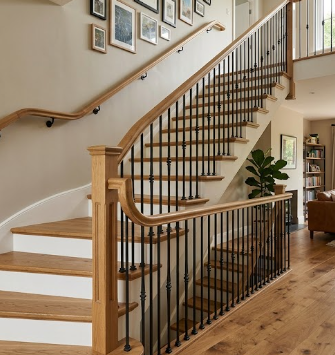
Custom stairs and railings are individually designed and fabricated to meet the specific dimensions, architectural style, and functional requirements of a property. Unlike prefabricated systems that are manufactured in standard sizes, custom staircases are built specifically for the available space while allowing complete flexibility in design, materials, and finishes. Every component, including stair treads, risers, handrails, balusters, support structures, and decorative details, can be customized to achieve a cohesive appearance. This personalized approach creates stair systems that fit naturally within the property’s overall design. Careful craftsmanship ensures every feature is both attractive and functional.

These stair systems can be designed for both interior and exterior applications depending on the project’s needs. Indoor staircases often become dramatic focal points that define entryways or open-concept living spaces, while outdoor stairs provide safe access to decks, patios, balconies, and elevated entrances. Materials are selected according to their intended environment to ensure lasting durability and reliable performance. Every project reflects a balance between structural integrity and architectural design. Customized fabrication allows nearly unlimited creative possibilities.

Why Should You Choose Custom Stairs and Railings?

One of the biggest advantages of custom stairs and railings is the ability to create a design that complements the home’s unique architecture. Every property has different dimensions, layouts, ceiling heights, and design themes that influence how a staircase should look and function. Custom fabrication allows every measurement to be adjusted for the available space while creating a seamless visual connection with surrounding rooms. The finished staircase feels like an original part of the home’s design rather than an added feature. Personalized construction delivers a more refined appearance.

Custom stair systems also provide greater flexibility when selecting materials and finishes. Homeowners can choose from wood, steel, wrought iron, aluminum, stainless steel, glass, or combinations of several materials to achieve their desired aesthetic. Decorative details, modern minimalist profiles, traditional craftsmanship, and contemporary architectural styles can all be incorporated into the final design. This level of customization allows the staircase to reflect individual preferences while maintaining long-term durability. Quality materials contribute to years of dependable performance.

What Design Options Are Available?

Custom stairs and railings offer virtually endless design opportunities. Straight staircases remain popular because of their efficient layout and timeless appeal, while L-shaped and U-shaped designs improve circulation within larger homes. Curved staircases create elegant architectural statements that add sophistication to entryways and open living spaces. Spiral staircases provide attractive solutions where floor space is limited while introducing distinctive visual interest. Every layout offers unique advantages depending on the property’s design and available space.

Railing styles are equally diverse and can dramatically influence the staircase’s overall appearance. Glass panels create open, contemporary interiors that maximize natural light, while horizontal cable systems offer clean modern lines. Decorative wrought iron railings provide classic elegance, and wood railings introduce warmth that complements traditional or transitional homes. Combining multiple materials often creates visually striking results that balance texture, strength, and modern design. Customized railings transform functional staircases into architectural centerpieces.

How Do Custom Stairs and Railings Improve Safety?

Although appearance often receives the most attention, safety remains the primary purpose of every staircase and railing system. Custom stairs are designed with carefully calculated tread depth, riser height, handrail placement, and structural support to provide comfortable and secure everyday use. Consistent dimensions help reduce the risk of trips and falls while improving overall stability. Properly designed railings provide dependable support for people using the staircase every day. Well-built stair systems combine beauty with practical performance.

Custom railings can also accommodate households with changing accessibility needs. Comfortable handrail profiles, secure guardrails, and carefully positioned support features help make stairways easier for children, older adults, and individuals with limited mobility to navigate safely. Exterior staircases benefit from weather-resistant materials and durable finishes that maintain dependable performance throughout changing seasons. Designing with safety in mind creates spaces that remain functional for many years. Reliable construction provides greater peace of mind for homeowners.

Where Can Custom Stairs and Railings Be Installed?

Custom stair systems are suitable for a wide range of residential and commercial applications. Inside the home, they connect entryways, living rooms, lofts, finished basements, and upper floors while contributing to the overall architectural design. Exterior installations provide access to decks, balconies, patios, porches, gardens, and hillside properties where elevation changes require carefully designed stairways. Every installation can be tailored to the property’s specific layout and intended use. Versatile designs support numerous architectural styles.

Commercial properties also benefit from custom stairs and railings because they combine durability with professional appearance. Office buildings, restaurants, retail centers, hotels, schools, and public facilities often incorporate custom stair systems that accommodate heavy daily traffic while enhancing the building’s overall aesthetic. Durable materials help maintain attractive appearances despite years of regular use. Professionally fabricated stair systems provide dependable long-term performance in demanding environments. Custom construction supports both functionality and architectural identity.

What Should Homeowners Consider Before Installing Custom Stairs and Railings?

Successful stair projects begin with careful planning. Homeowners should first determine how the staircase will be used, evaluate available space, and consider how the finished design will integrate with surrounding rooms or outdoor areas. Establishing clear priorities helps guide decisions regarding materials, layout, railing style, finishes, and decorative details. Every design choice should support both appearance and everyday functionality. Thorough planning creates smoother project execution.

Long-term maintenance should also influence material selection. Some materials require periodic refinishing or protective coatings, while others offer excellent durability with minimal upkeep. Lighting, surrounding flooring, wall finishes, and nearby architectural elements should also be considered to ensure visual consistency throughout the property. Selecting timeless designs rather than short-lived trends often provides greater long-term satisfaction. Well-informed planning maximizes the value of the investment.

How Can Custom Stairs and Railings Increase Property Value?

Beautifully designed custom stairs and railings often become one of the most memorable architectural features within a property. A professionally crafted staircase immediately attracts attention while creating a strong first impression for guests and potential buyers. Personalized details demonstrate quality craftsmanship and thoughtful design that distinguish the property from others with standard construction. Attractive architectural elements contribute positively to the home’s overall character. Strong visual appeal enhances long-term marketability.

Beyond aesthetics, custom stair systems add lasting value through quality construction and dependable performance. Durable materials, precision fabrication, and professional installation reduce future maintenance while ensuring reliable structural performance for many years. Buyers frequently appreciate permanent improvements that combine elegance with practical functionality. Investing in custom stairs and railings benefits both everyday living and future resale potential. Quality craftsmanship remains valuable long after installation.

Final Thoughts

Custom stairs and railings provide an ideal combination of architectural beauty, structural performance, and personalized design. Whether enhancing an interior entryway, connecting outdoor living spaces, or creating a dramatic focal point within a commercial building, custom fabrication allows every staircase to reflect the property’s unique style and functional needs. By selecting quality materials, thoughtful layouts, and carefully designed railing systems, property owners can enjoy staircases that remain safe, durable, and visually appealing for decades. Investing in custom stairs and railings enhances comfort, improves curb appeal, and adds lasting value to any residential or commercial property.

Disaster Cleanup Vs Restoration – What’s the Difference?

Disaster Cleanup vs Restoration Whats the Difference

When disaster strikes, it is critical to find a team that has the scale, resources and expertise to quickly assess damage, create a plan and execute. This includes disaster cleanup and restoration professionals.

Utah Disaster Cleanup focuses on repairing damage and restoring the affected areas. This includes things like water damage restoration, sanitization and mold remediation, and fire and smoke damage repair.

Mitigation

Mitigation refers to any effort made to prevent a disaster from occurring, reduce the chances of an emergency incident occurring, or lessen the damaging effects of unavoidable incidents. Mitigation techniques are generally low-cost and can provide property owners with insurance advantages, sustainable improvements, and a sense of security for their occupants.

When a natural disaster strikes, it can leave behind debris, contamination, and structural damage that is difficult for homeowners to handle on their own. Disaster cleanup companies specialize in these remedial tasks and can help restore properties to their pre-disaster state.

Fire, flood, wind, hurricanes, mudslides, earthquakes, winter storms, and lightning are just a few examples of disasters that can cause severe property damage. In addition to cleaning up the aftermath of such incidents, disaster restoration specialists can also repair and rebuild any damage to a property. This includes removing debris, disinfecting affected areas, and making any necessary repairs to the building or its contents. The process can take weeks or even months, but is vital in ensuring the safety of occupants. In some cases, disaster restoration can make a damaged property even better than it was before the incident occurred.

Restoration

Restoration is the process of returning damaged areas to their original state. This can include repairing buildings and restoring water and other resources that may have been affected. Restoration also involves making sure the area is safe for people to go back into. This can involve putting in new floors and painting walls. It can even mean putting up new windows and doors. This is a great way to make your business look brand new again and show the public that you are open for business as usual.

Restoration efforts target all levels of ecosystem degradation—from forests, wetlands and rivers to cities, lakes, oceans, and farmlands. Ecosystems are critical for providing food, jobs, and climate regulation. Restoration can help to reduce air and water pollution, manage disease, and support community recovery.

Remediation

The goal of remediation is to clean a contaminated site to a level that is safe for people and the environment. This may involve removing the contaminant and treating or disposing of it. It can also involve reducing the amount of contamination in soil, water or air. The first step in any remediation project is to conduct a scoping study. This is a review of available information and provides an overview of the site conditions, issues and the overall plan for project phases.

Once the contaminant has been removed or reduced, restoration can take place. This involves enhancing, creating or re-creating habitats where fish and wildlife can live. It can also include re-establishing natural processes such as erosion and sediment transport. Restoration projects are often done in conjunction with remediation efforts.

The causes of ecosystem degradation are numerous and varied. For example, deforestation and land conversion can lead to nutrient-poor lakes and rivers. Pollution from agricultural, industrial and municipal waste can contaminate river basins, lakes, marshes and oceans. Degraded habitats can impact communities, local economies and fisheries. Ecosystem restoration benefits both humans and nature by improving the livelihoods of those who rely on them, regulating disease and reducing risk from natural disasters. Remediation and restoration efforts, large and small, are vital to our future. They will help to achieve the Sustainable Development Goals of the United Nations and the world’s other environmental treaties. They are also the most cost-effective way to return impacted areas back to their natural state.

Recovery

When it comes to natural disaster cleanup, safety must come first. Disaster cleanup workers can be exposed to dangerous contaminants, power generators, tree trimming, carbon monoxide, and risky structures. They can also suffer from long hours of physical exhaustion and emotional stress.

Disaster restoration is a process that returns property to its pre-disaster state. This involves repair work, cleaning, and sometimes rebuilding. The goal is to get your home or business back to normal as quickly as possible.

If you have experienced flooding, fire damage, wind and winter storm damage, or other disasters, call a disaster cleanup company like QwikResponse without delay. Disaster cleanup professionals have the training and equipment to clean your home or business, dry the area, and remove any contents that appear unsalvageable. They can also provide emergency repairs to stabilize your property and protect it from further damage. They can even assist with rebuilding areas of your home that are severely damaged.